

WHAT IS NEURODIVERSITY?
As humans, our brains naturally function in various ways—how we think, learn, behave and interact with the world—all of which are part of normal human diversity. Neurodiversity embraces the neurological differences in each of us, emphasizing that there is no single, correct way for a brain to function.1 While many think of conditions like autism, ADHD, dyslexia, and other learning differences when they hear ‘Neurodivergent’, the term extends beyond these conditions to include other areas like sensory processing, attention span, communication preferences, methods for interacting socially, and even one’s particular style of problem-solving.
LEARNING STYLES VS. NEURODIVERSITY
While many school architects design for various Learning Styles (visual, auditory, reading/writing, kinesthetic), designing for Neurodiversity is a bit more nuanced. Designing for Learning Styles combines teaching methods, environmental cues, and visual, auditory, and hands-on learning access to provide students with varied learning opportunities (such as flexible seating, movement, and hands-on activities). Designing for Neurodiversity moves beyond these methods to include additional design strategies to support all students. A few aspects to consider in this area include:
Careful consideration of transition areas
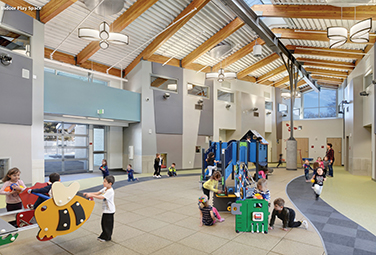
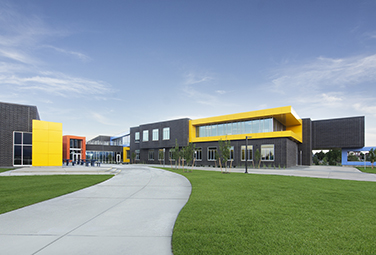
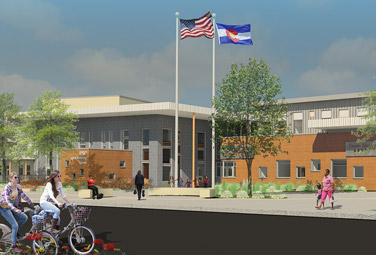
Transitioning from one activity to the next can be challenging for some forms of neurodivergence, and allowing space for students to engage in restorative play prior to the next activity can be helpful, particularly for young ages.
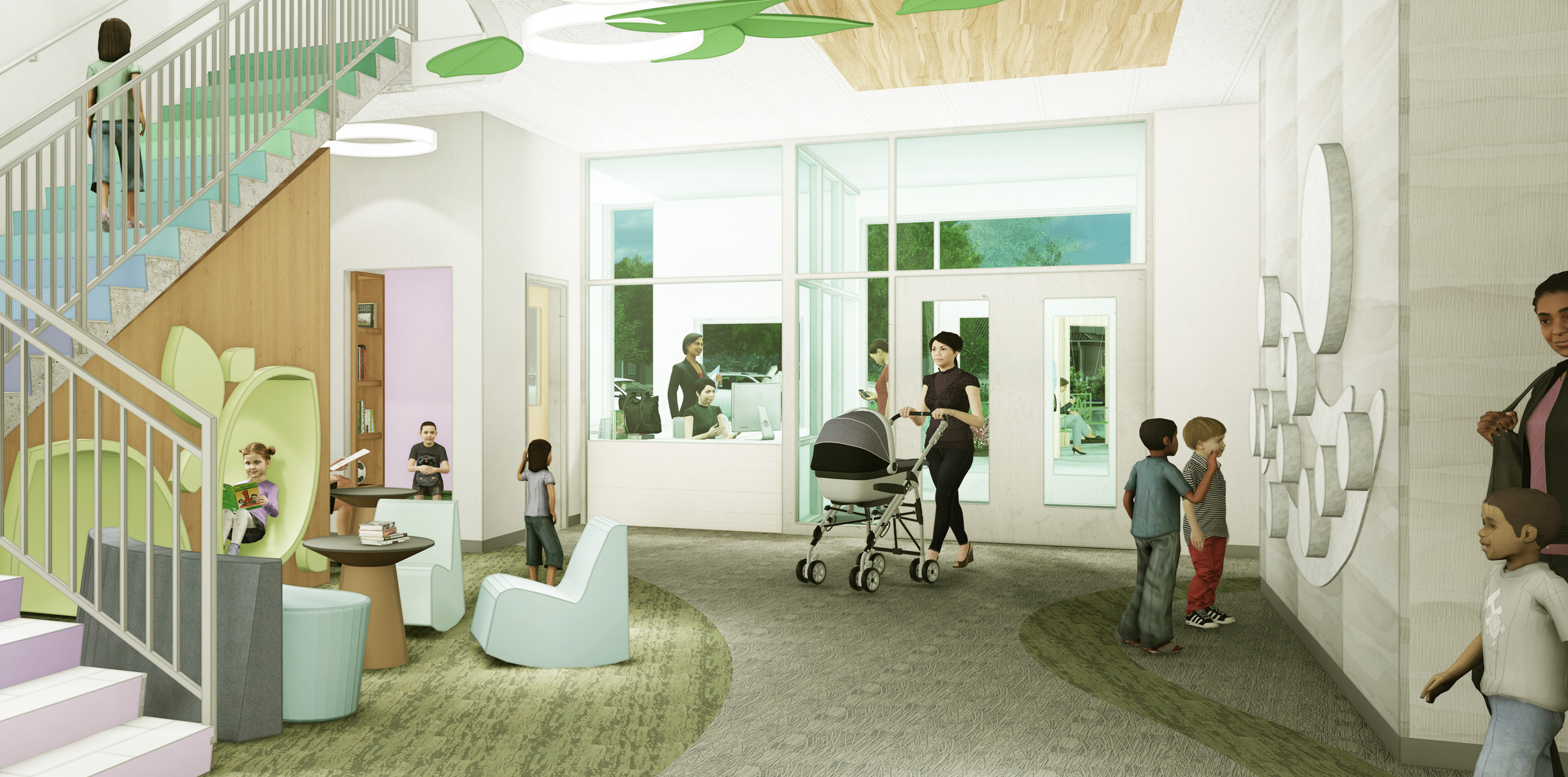
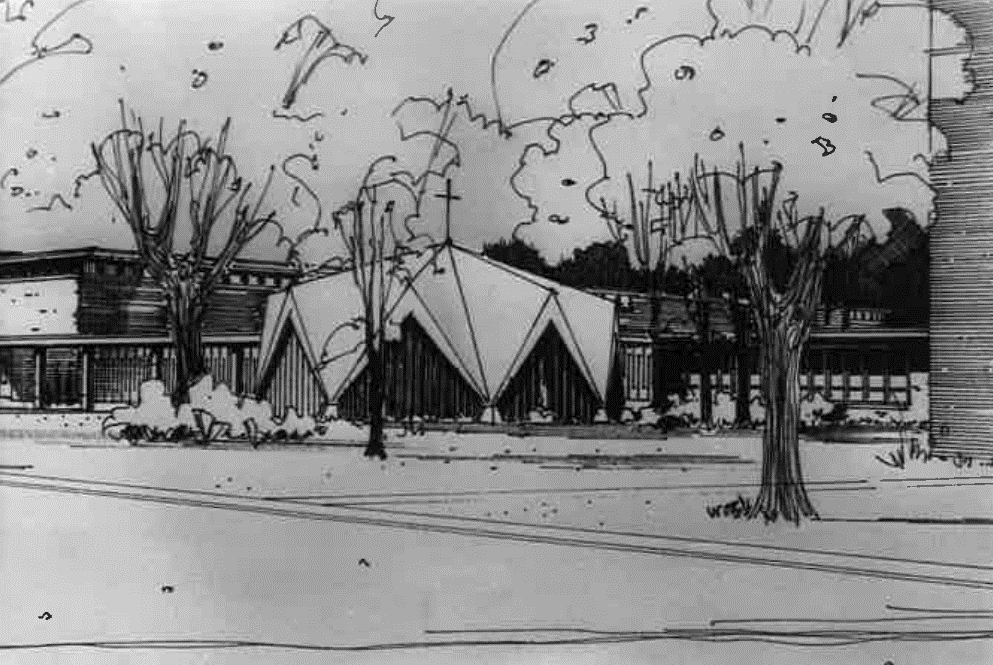
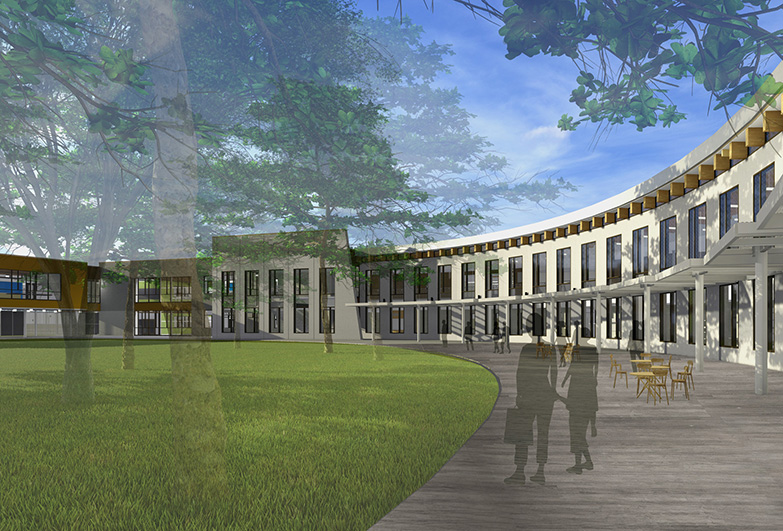
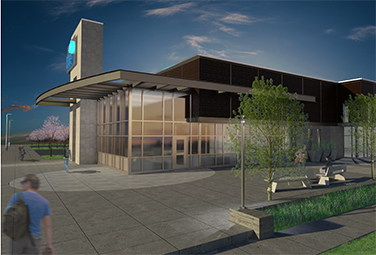
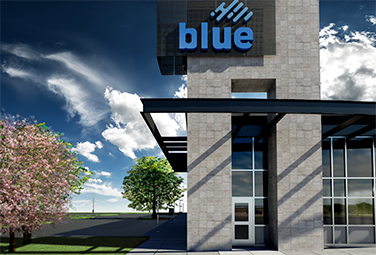
Rendering of Bal Swan Children’s Center, Entry (Designed by RB+B Architects)
Management of types of stimuli
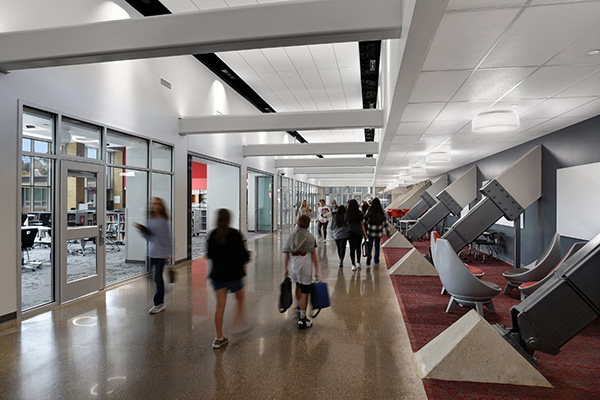
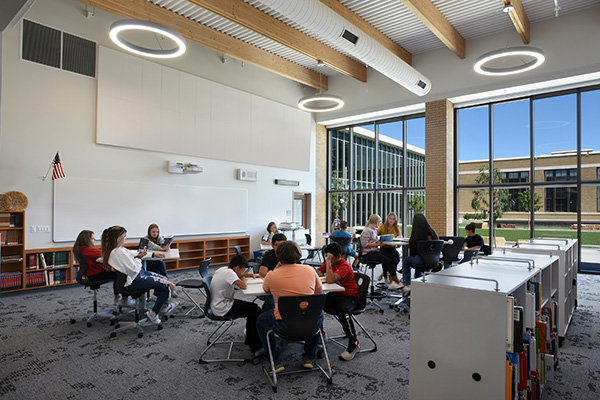
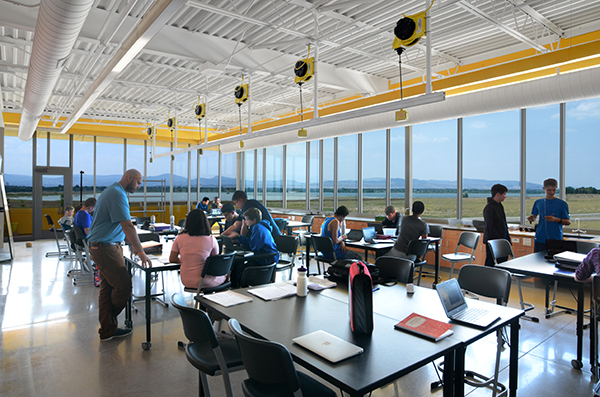
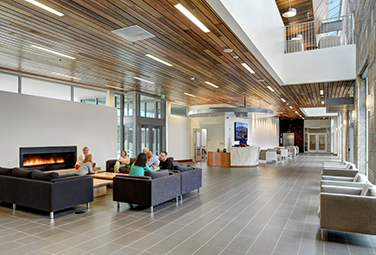
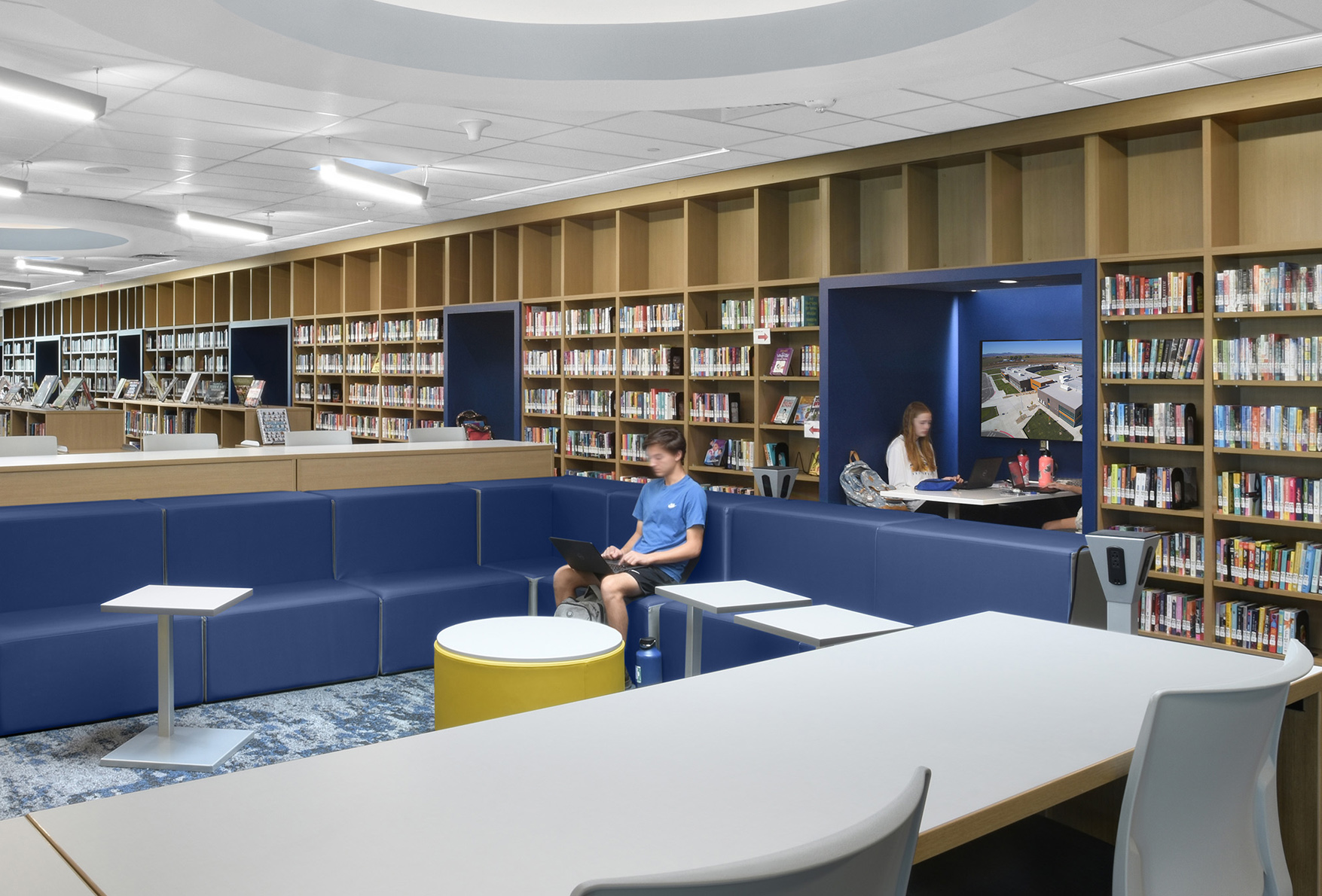
Sensory zones empower individuals to choose environments that suit their needs—whether for escape, focus, community interaction, collaboration, or social engagement. Every person exists on a spectrum of stimulus sensitivity, ranging from hyposensitive (needing more stimuli for brain health and emotional regulation) to hypersensitive (requiring less stimuli). People’s needs fluctuate throughout the day, and these spaces can be designed to support those varying needs.
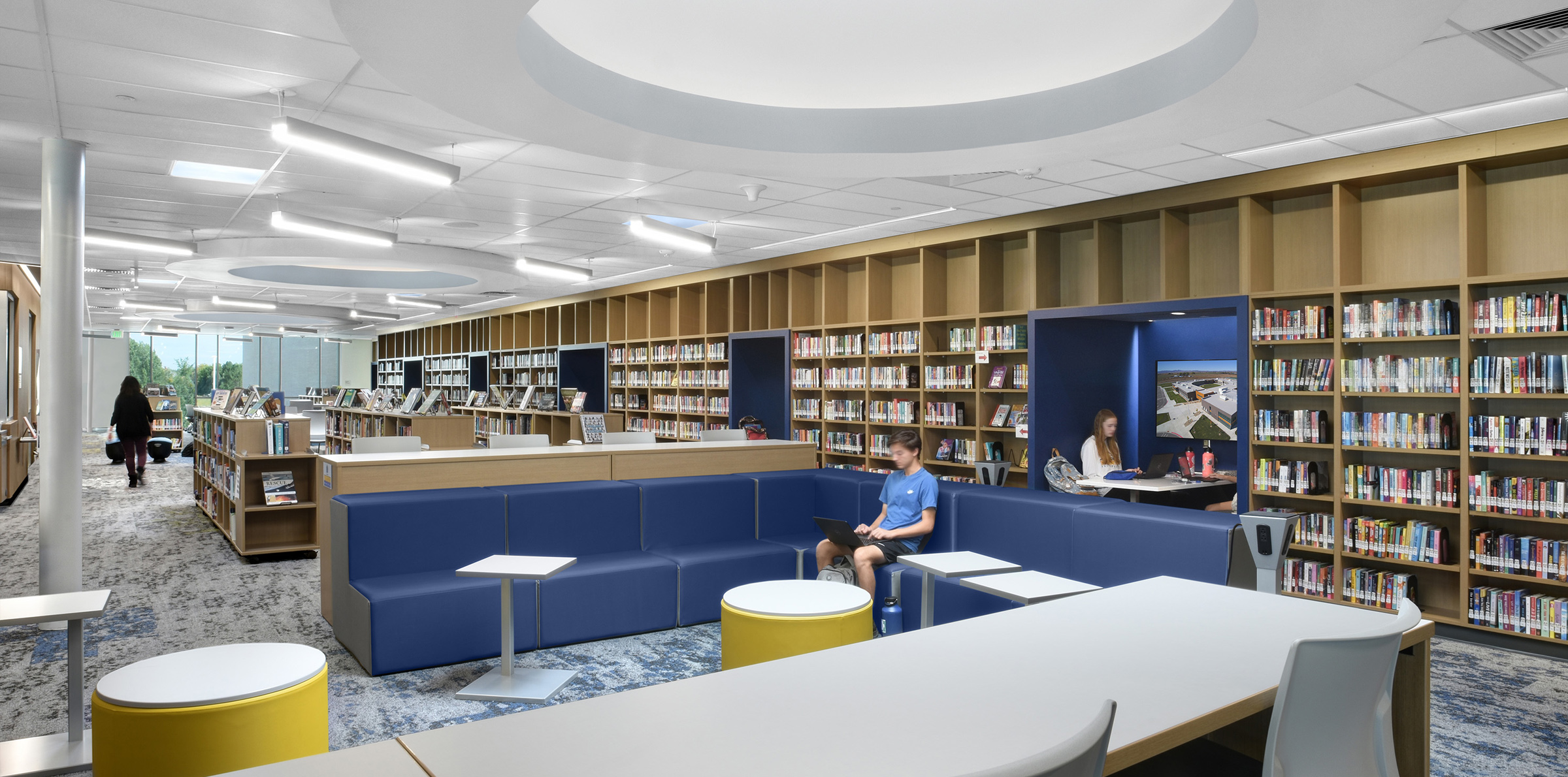
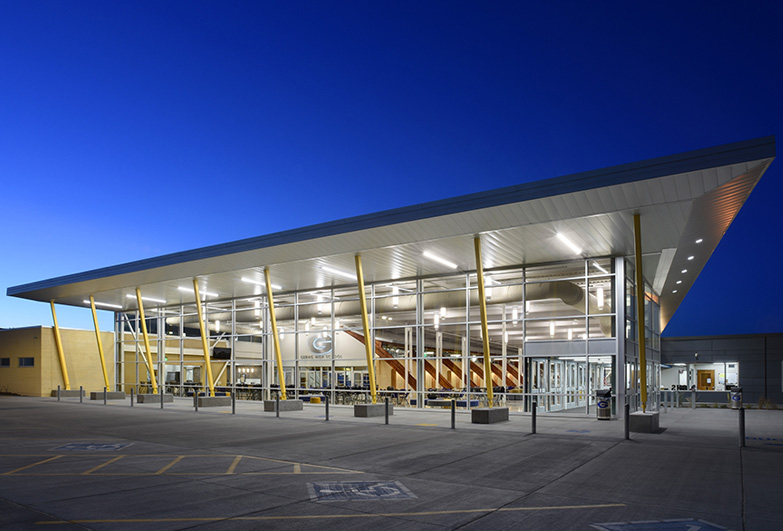
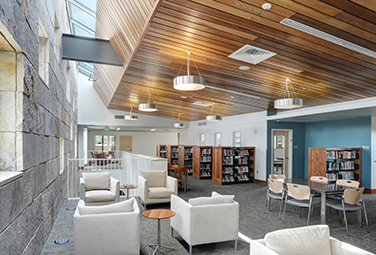
PSD Prototype Middle/High Schools, Media Center (Designed by RB+B Architects)
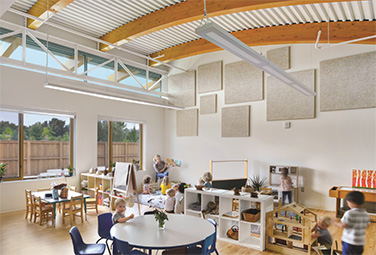
Intentional acoustical balance
Soundscaping using operable windows allows in the sounds of nature while the use of responsive soundscaping systems can mask unwanted noise in targeted areas.
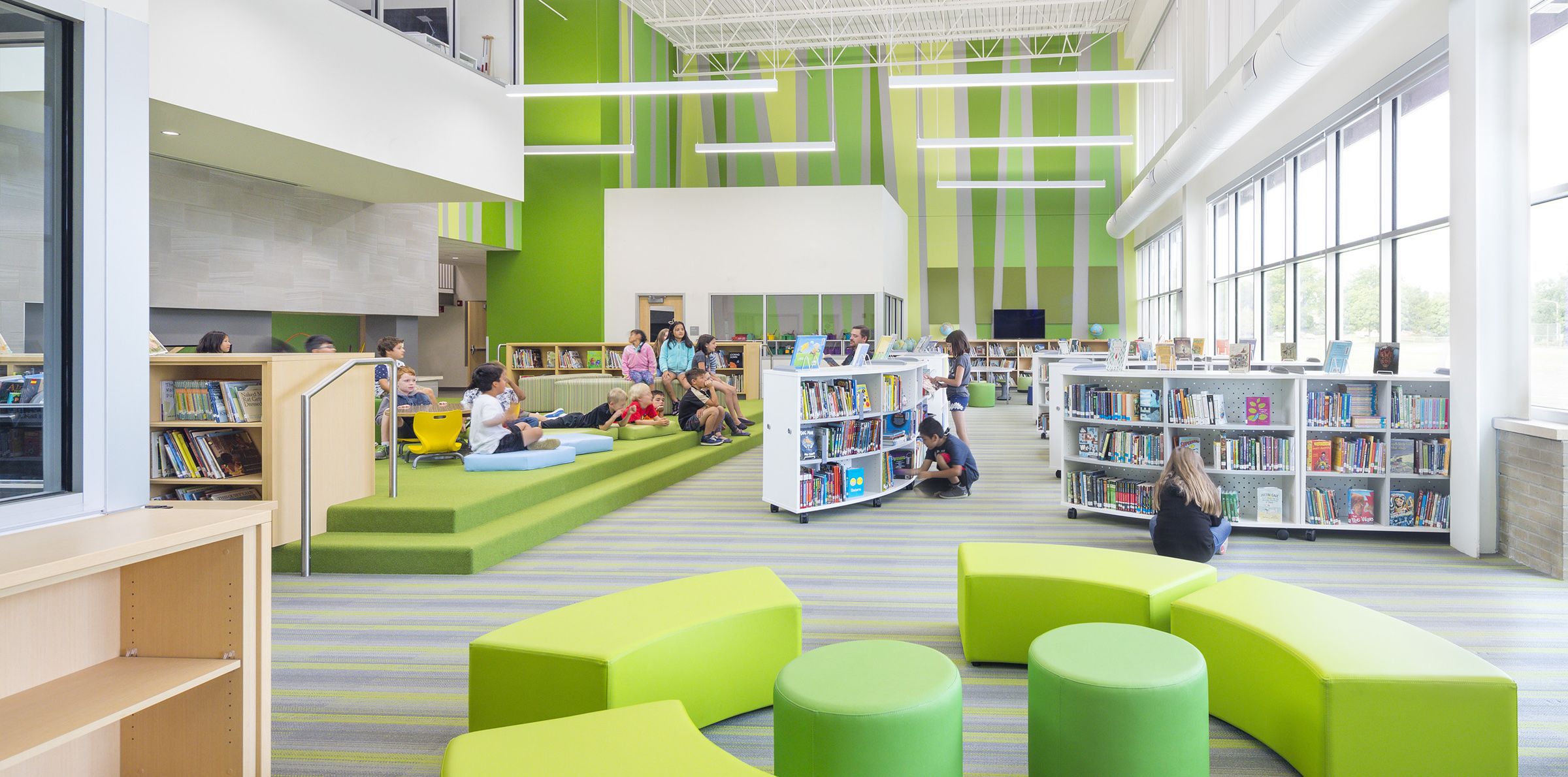
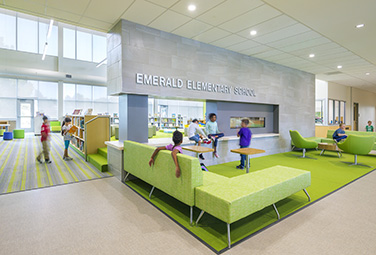
Emerald Elementary School, Curiosity Center (Designed by RB+B Architects)
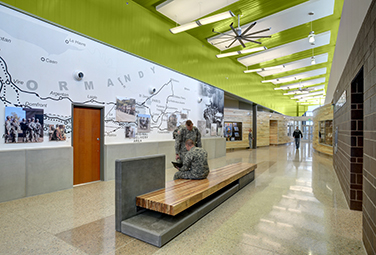
Intentional color balance
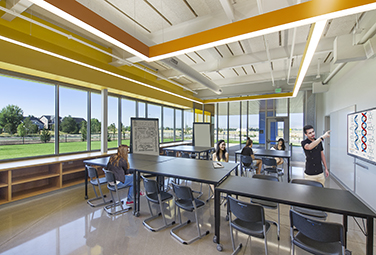
Color can increase cognitive load and trigger certain behaviors whether consciously or not, thus the overall color palette of a project can utilize calm, soft, and soothing colors. More saturated colors can be intentionally used to create a sense of place and belonging as well as to assist in wayfinding, especially for those with visual impairments.
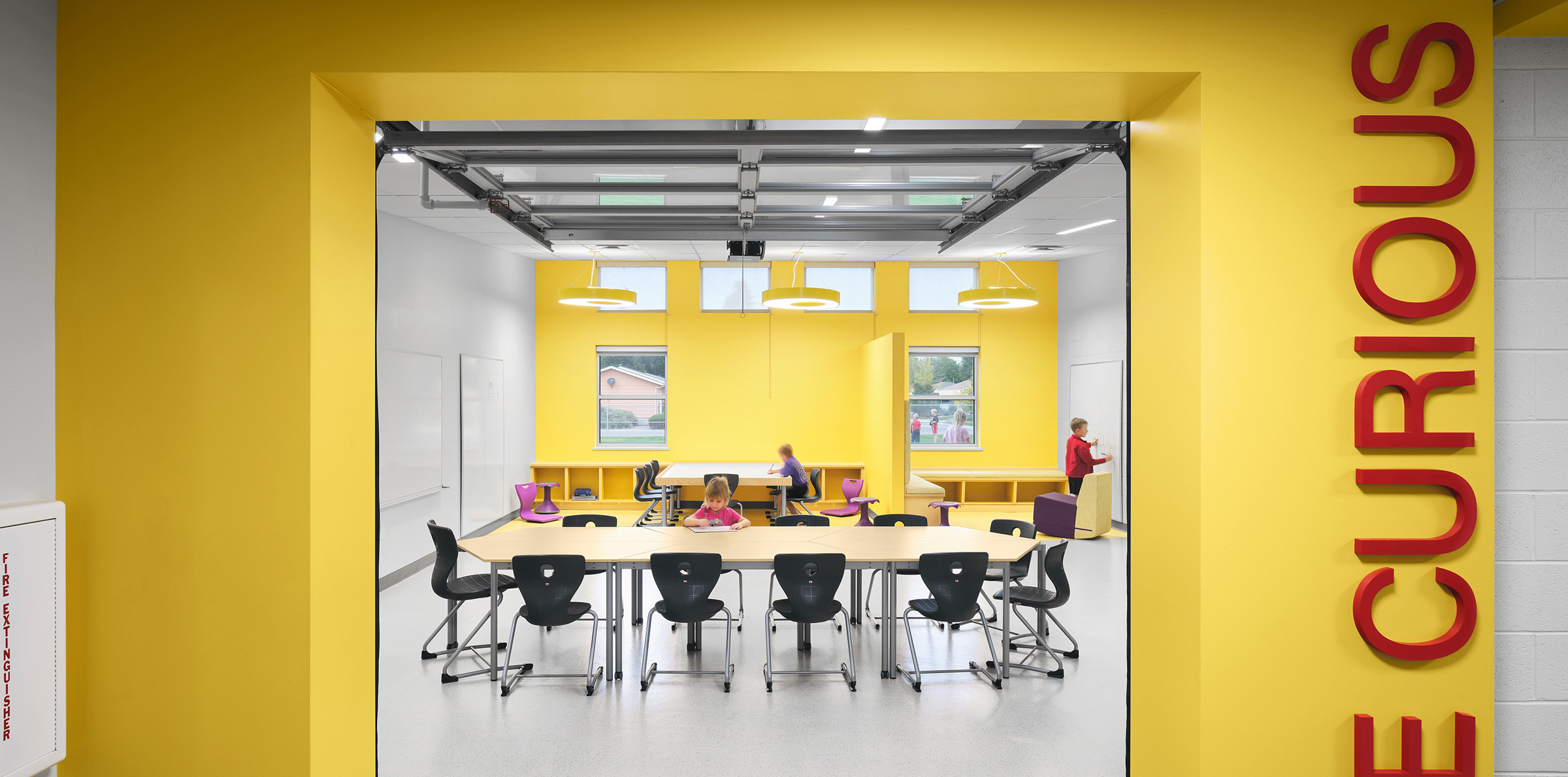
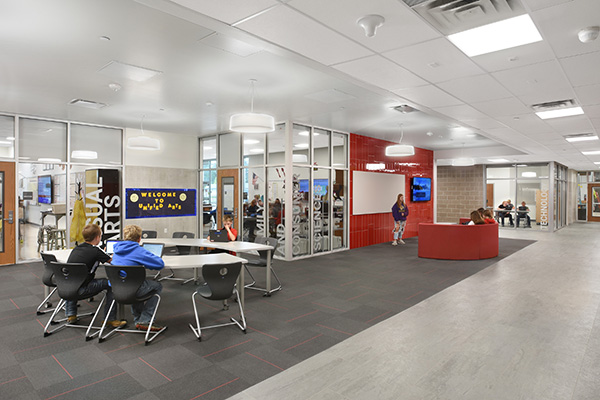
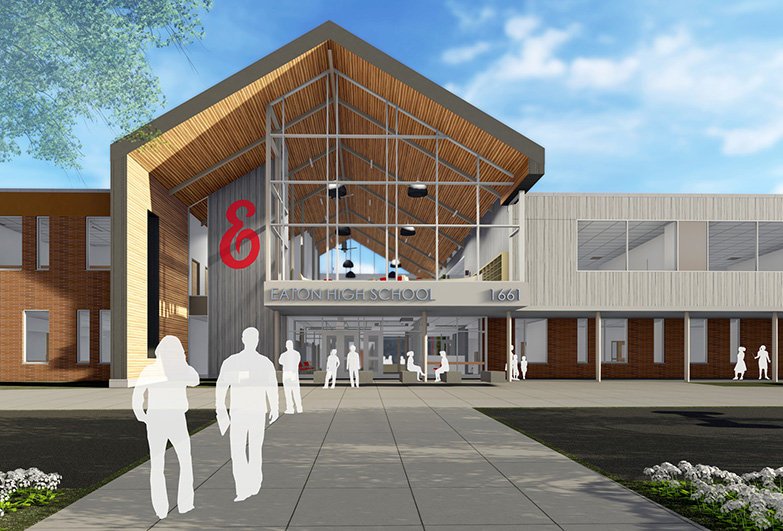
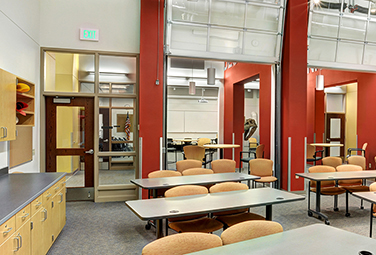
Eaton Elementary School, Maker Space (Designed by RB+B Architects)
Provision of space/materials for regulation
Cozy refuge spaces, “Alcoves”, can be sprinkled throughout a facility, each outfitted with different materials and colors to aid in self-soothing when needed.
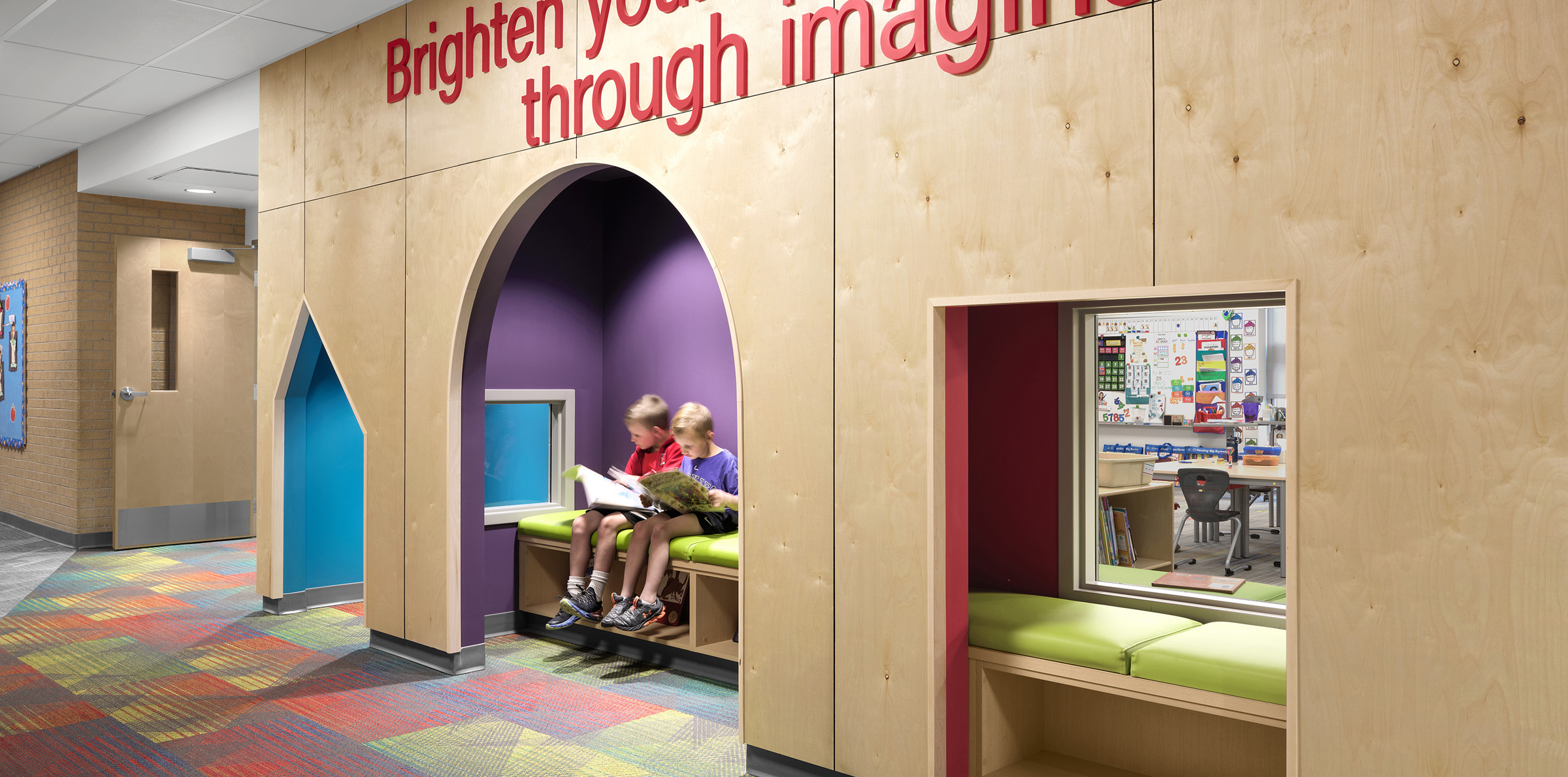
Eaton Elementary School, Maker Space (Designed by RB+B Architects)
Access to nature
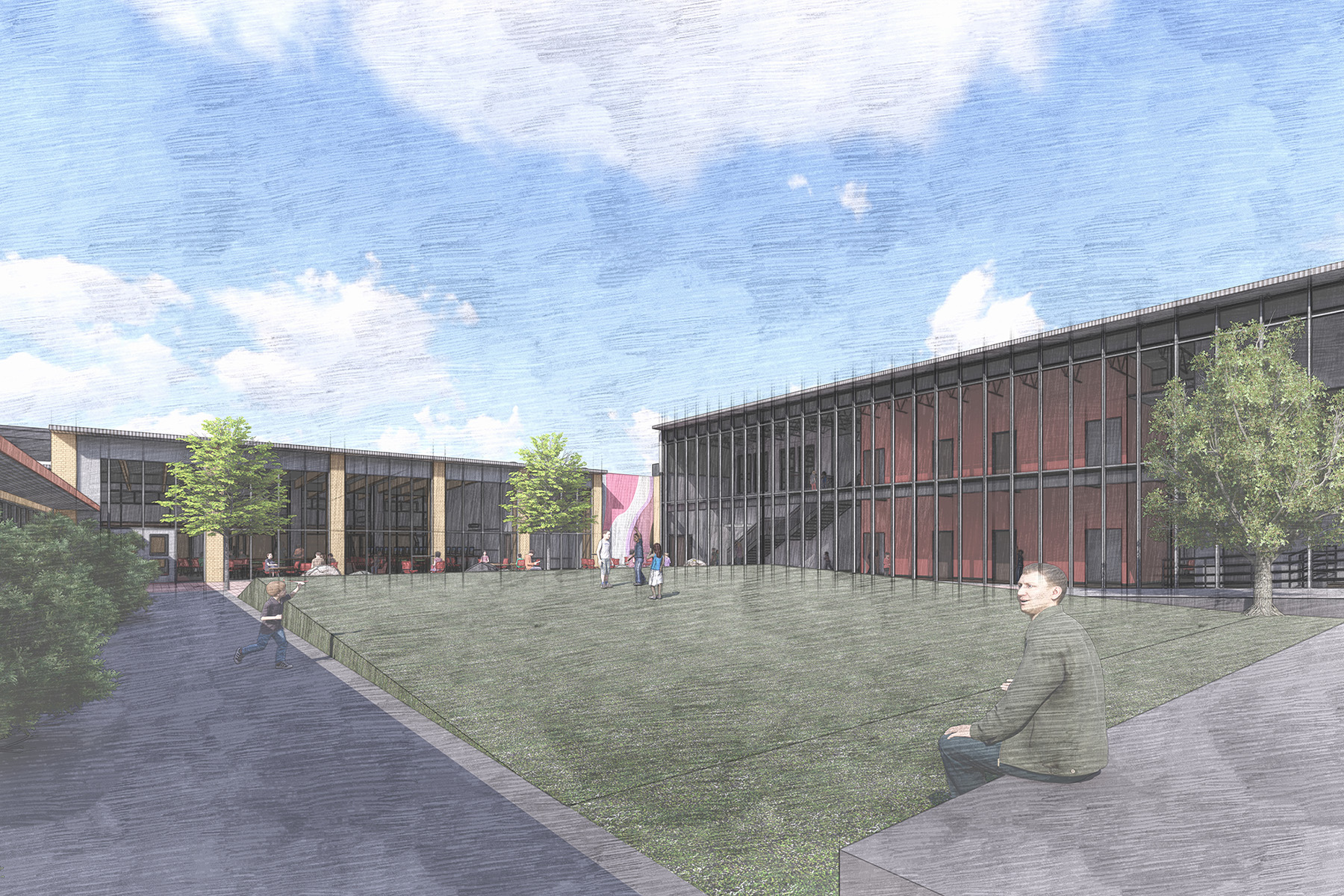
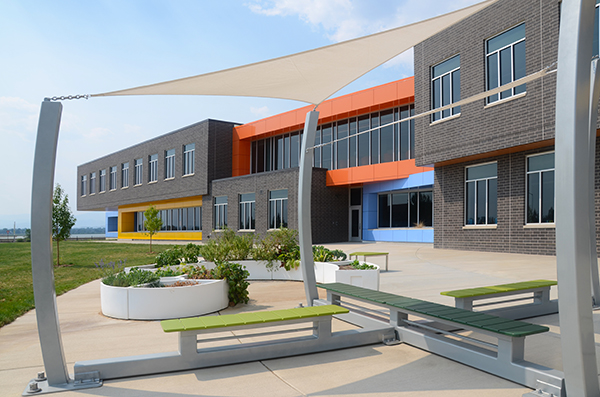
Access to fresh air, wide vistas, peaceful spaces, and being in nature can help calm the mind and foster a sense of wellbeing. The Learning Environment should offer several indoor/outdoor transition areas for restorative play, outdoor learning opportunities, and social engagement.
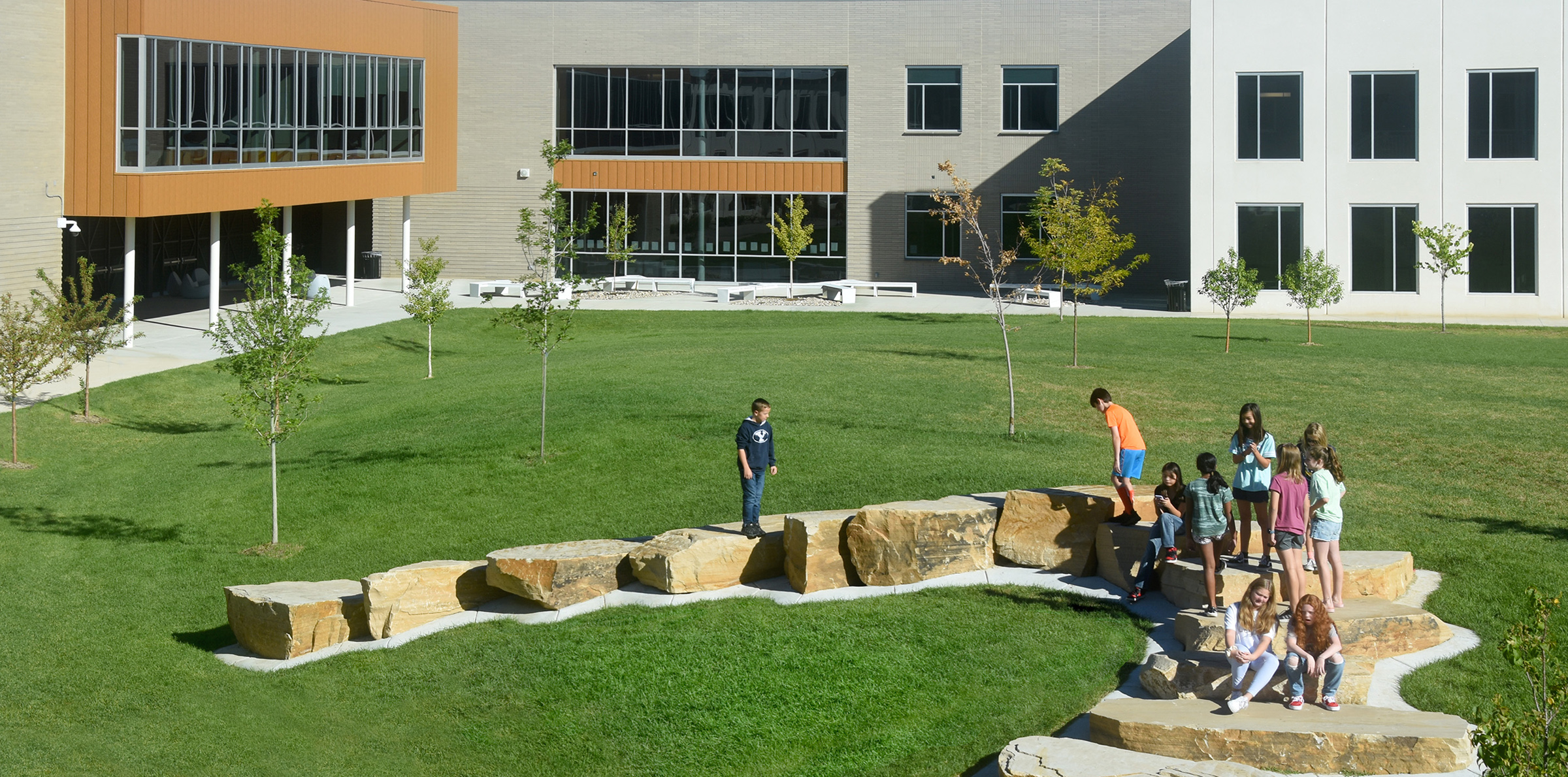
PSD Prototype Middle/High Schools, Outdoor Learning Commons (Designed by RB+B Architects)
It’s important to understand that all students have normal variations in how they think, learn, behave, and interact with the world. Designing educational facilities that are inclusive and support these variations will allow all students the opportunity to learn, grow, and thrive in their learning environment.
Sources:
1 Harvard Health, health.harvard.edu, Baumer, 11/23/21